
Modern Materials, Modern Protection: Innovation in Fire-Resistant Construction
Oliver Thornton November 13, 2025
Oliver Thornton November 13, 2025
Los Angeles has always been a city of fire and light — a place where nature’s power and human ambition meet in delicate balance. Yet in recent years, that balance has shifted. As wildfires grow more frequent and unpredictable, the future of building in Southern California depends not on avoiding nature, but on learning to live intelligently within it.
For Thornton Development Group (TDG), this challenge is more than environmental — it’s architectural. The firm believes that resilience and refinement can coexist, and that modern protection should enhance, not hinder, design. Through innovation, materials science, and forward-thinking engineering, TDG is redefining what it means to build beautifully in the age of climate awareness.
Because the true test of luxury isn’t how much you can display — it’s how well you can endure.
Fire has always been part of California’s natural cycle. But rising temperatures, drought, and urban expansion have made it a persistent threat. Homeowners in the hills of Los Angeles — from Bel-Air to the Hollywood Hills — face a new design imperative: protection must be built into the blueprint.
Traditional construction methods can’t keep pace with these environmental shifts. Wood framing, flammable finishes, and outdated insulation once favored for cost efficiency are no longer compatible with modern realities. The stakes are too high — not only in financial value but in safety, sustainability, and legacy.
For TDG, every project in Los Angeles begins with this understanding. Fire resilience isn’t a reaction; it’s a responsibility. Each structure is designed from the ground up to withstand heat, resist ignition, and slow fire spread — while maintaining the warmth, fluidity, and openness that define the firm’s aesthetic philosophy.
The result is architecture that lives harmoniously with its environment — acknowledging risk without succumbing to it.
In fire-resistant construction, material selection is more than a design decision — it’s an ethical one. The materials chosen today determine how well a home can protect life, property, and the environment tomorrow.
TDG takes a performance-first approach to material integrity, sourcing components that balance strength, sustainability, and sensory experience.
Materials like fiber cement, concrete composites, and stucco over metal lath provide exceptional resistance to heat and flame spread. TDG’s designers integrate these into minimalist, sculptural exteriors that look refined yet perform under pressure.
TDG uses tempered, dual-pane glass and steel or aluminum frames to maintain natural light without compromising protection. This allows for panoramic transparency while resisting breakage and heat transfer — a crucial balance in modern hillside living.
These durable materials provide structural stability even in high-heat environments. TDG’s boutique approach allows custom-engineered reinforcements that are both aesthetic and functional, ensuring longevity and minimal maintenance.
Fire-resistant design doesn’t mean sterile or industrial. TDG employs recycled stone veneers, treated timber, and eco-friendly insulation that merge tactile warmth with high performance.
Beyond the home, TDG creates defensible zones that slow the movement of fire. Drought-tolerant plants, gravel paths, and tiered elevation design ensure that the landscape complements protection — not complicates it.
Together, these materials create what TDG calls “modern armor” — invisible protection built into the DNA of every home.
Fire-resistant architecture goes beyond using the right materials. It’s about understanding how heat, air, and structure interact — and then designing systems that anticipate those behaviors.
TDG collaborates with engineers, fire safety experts, and environmental consultants to integrate science into every stage of design.
Modern fire-resistant design isolates potential ignition zones through zoning and layout. Mechanical systems, kitchens, and garages are separated by fire-rated barriers without disrupting architectural flow.
Vent openings are one of the most common entry points for embers. TDG incorporates ember-resistant vents and airtight roofing assemblies to prevent intrusion while maintaining indoor air circulation.
Fire-resilient homes must also be energy-efficient to reduce heat buildup. TDG’s designs use passive ventilation, high-performance glazing, and green roofs to regulate internal temperature and reduce ignition risk.
Roofs are a structure’s most vulnerable point in wildfires. TDG’s systems use Class A-rated roofing materials, non-combustible soffits, and strategic drainage systems to prevent embers from collecting and igniting.
Smart technology provides real-time monitoring for air quality, temperature, and system integrity. TDG homes can automatically adjust airflow, close vents, or activate sprinkler systems when threats are detected.
The result is a home that doesn’t just resist fire — it responds to it.
One of TDG’s guiding principles is that sustainability and safety must coexist. The firm views fire-resilient construction as part of a broader environmental ethic — a way to protect both people and place.
While synthetic fireproofing methods can reduce short-term risk, TDG prioritizes natural or recycled materials that provide long-term benefits. Concrete composites and recycled steel reduce embodied carbon, while drought-tolerant landscapes support biodiversity.
Water management systems play a crucial role as well. Rainwater harvesting and permeable surfaces help control runoff, reducing erosion that can amplify wildfire vulnerability.
This approach reflects TDG’s belief that every element of protection should also promote preservation. By aligning resilience with sustainability, the firm ensures that its homes serve not just their owners, but their ecosystems.
Many Los Angeles homeowners live in areas where wildfire risk feels inevitable — from Laurel Canyon to Malibu. But for TDG, inevitability doesn’t mean helplessness. The firm’s Community Rebuild Initiative was born from this philosophy — helping rebuild properties lost to fire with greater strength, intelligence, and beauty than before.
In post-fire landscapes, TDG doesn’t just reconstruct — it reimagines. Every rebuild becomes a case study in adaptive architecture: how to design homes that exist with nature rather than against it.
This commitment has made TDG a trusted name in both luxury development and community resilience. The firm has become a symbol of recovery — where architecture becomes an act of renewal, not retreat.
Because rebuilding isn’t about erasing what happened. It’s about designing what happens next.
TDG’s approach to fire-resistant development combines science, craftsmanship, and creativity into a single, cohesive process. The firm’s blueprint for protection includes:
Evaluating slope, vegetation, and wind exposure to determine design parameters before breaking ground.
Integrating layered materials for structural, thermal, and fire protection — from base to finish.
Implementing automated monitoring systems for environmental data, energy use, and safety alerts.
Designing minimal, elegant homes that conceal resilience beneath refined surfaces.
TDG educates homeowners about the maintenance and operational aspects of fire-resilient living — creating awareness as well as architecture.
This multi-disciplinary approach elevates TDG beyond the role of developer. It positions the firm as a guardian of intelligent living.
As climate change accelerates, the concept of resilience will shape the future of every development in Los Angeles. TDG is already at the forefront of that evolution — experimenting with next-gen materials like phase-change composites, aerogel insulation, and nanocoatings that enhance fire resistance while improving thermal comfort.
Future TDG projects will further merge biophilic design and resilience, integrating living walls, sustainable water systems, and regenerative landscapes that act as natural fire buffers.
These innovations are part of a larger shift in how luxury is defined: not by abundance, but by intelligence. The new high standard isn’t excess — it’s endurance.
Fire may be a force of destruction, but it’s also a catalyst for progress. It challenges architects and developers to think differently — to innovate, adapt, and evolve.
For Thornton Development Group, fire-resistant design represents the highest expression of luxury: the ability to protect life through creativity. Every material, every system, every line of architecture becomes part of a promise — that beauty and safety can exist as one.
In Los Angeles, where light and flame coexist, TDG builds with courage and care. Because the ultimate mark of great architecture isn’t how it looks under the sun — it’s how it stands under pressure.
Stay up to date on the latest real estate trends.
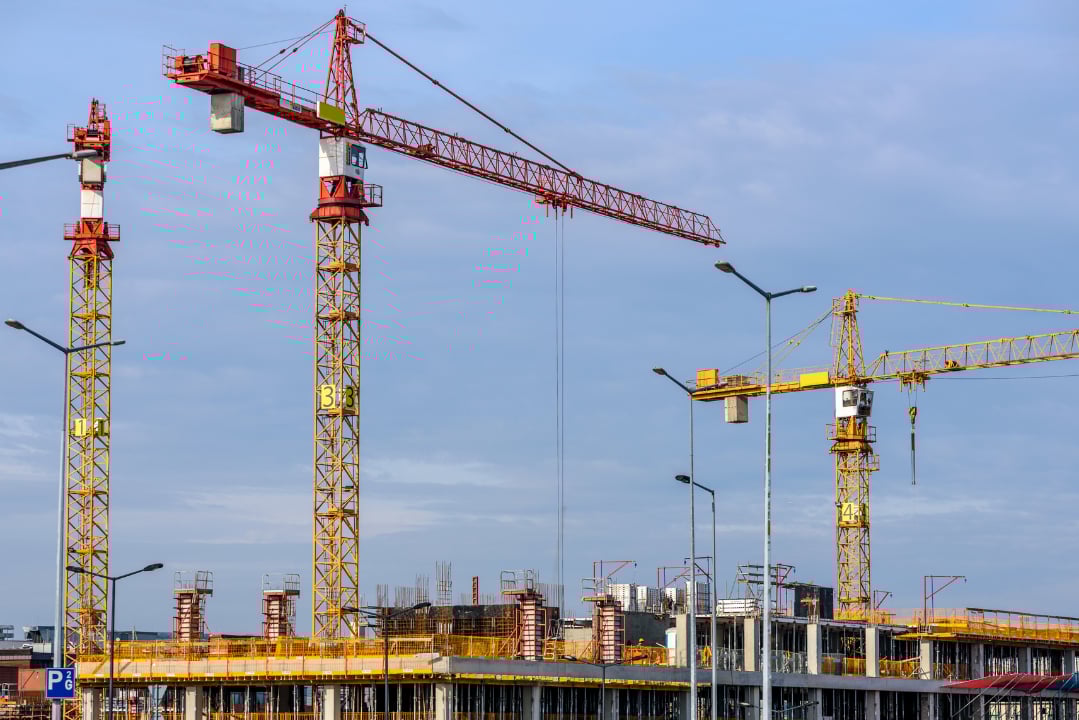
Los Angeles Real Estate
Exploring how Thornton Development Group transforms vision into value — mastering every stage of the development lifecycle with precision and purpose.
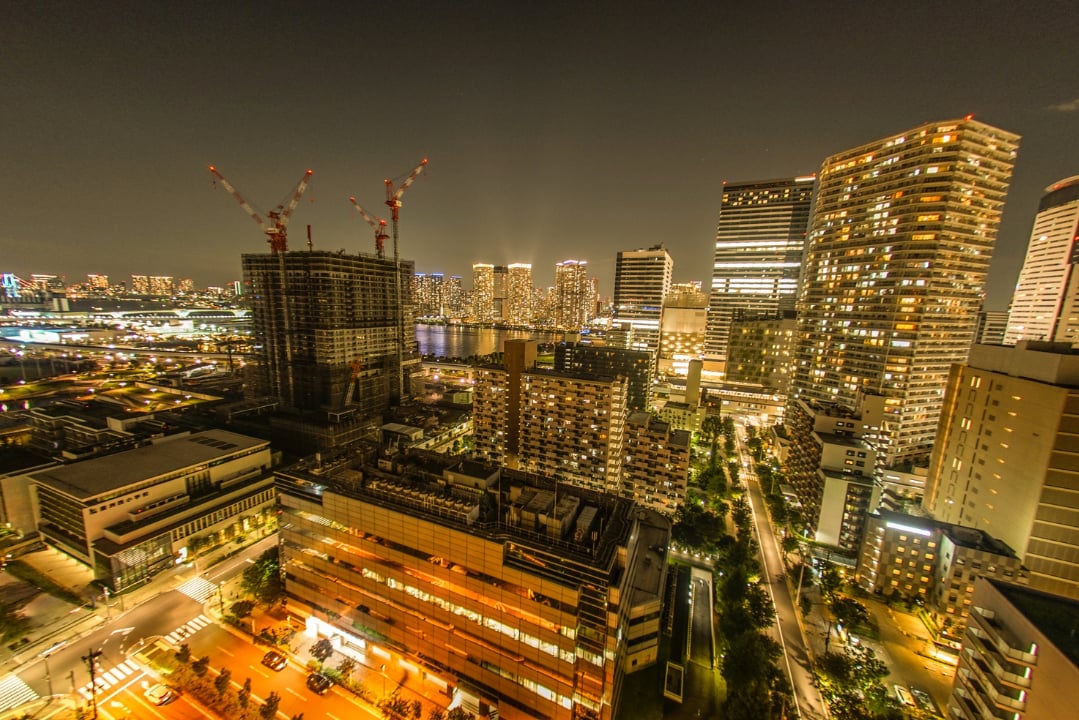
Los Angeles Real Estate
Exploring how Thornton Development Group transforms Los Angeles from within — redefining progress through purposeful, community-rooted development.
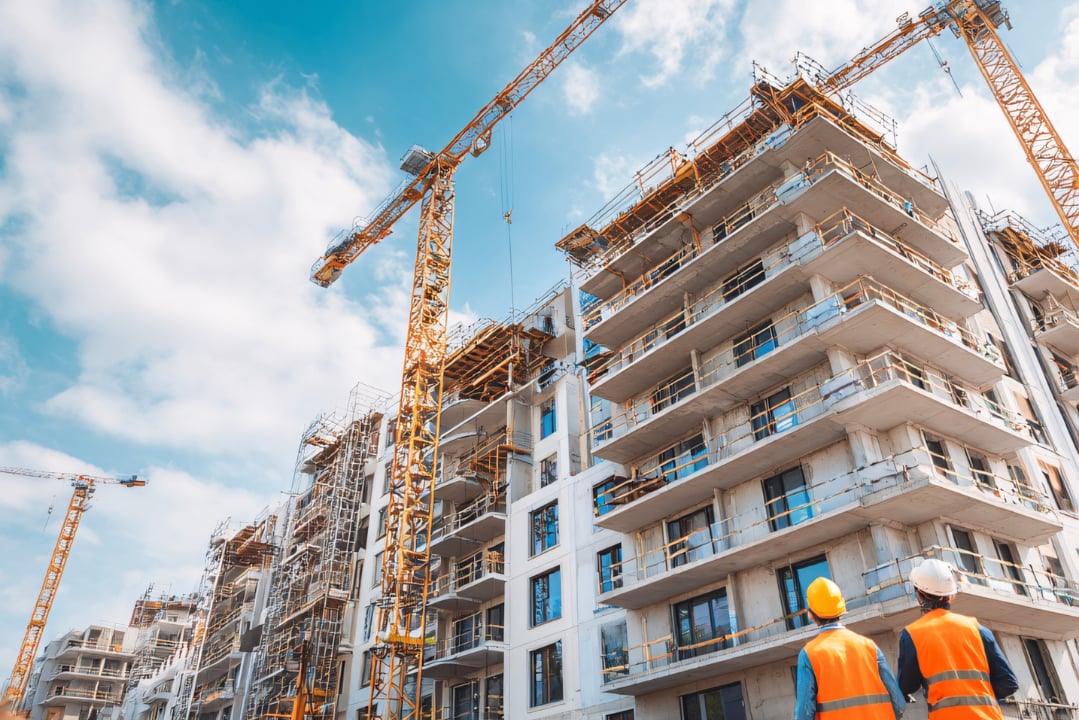
Los Angeles Real Estate
Exploring how Thornton Development Group turns design excellence into measurable, lasting investment performance.
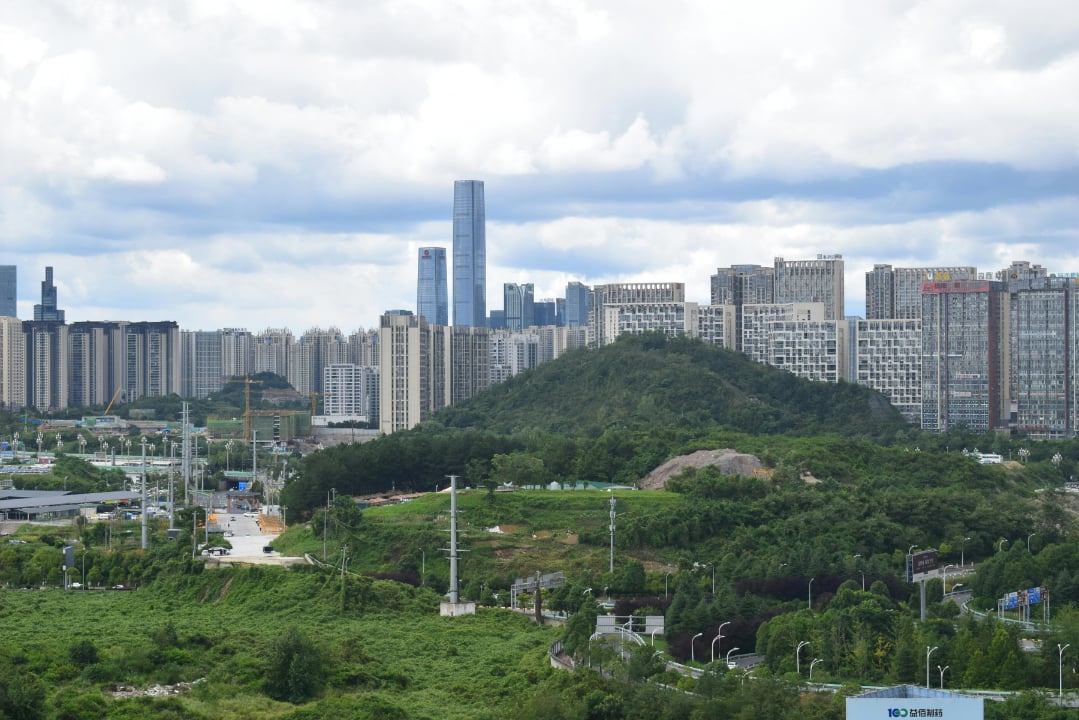
Los Angeles Real Estate
Exploring how Thornton Development Group builds with purpose — creating spaces that elevate neighborhoods, not erase them.

Los Angeles Real Estate
Exploring how Thornton Development Group designs with insight, honoring the character, rhythm, and realities of Los Angeles communities.
Los Angeles Real Estate
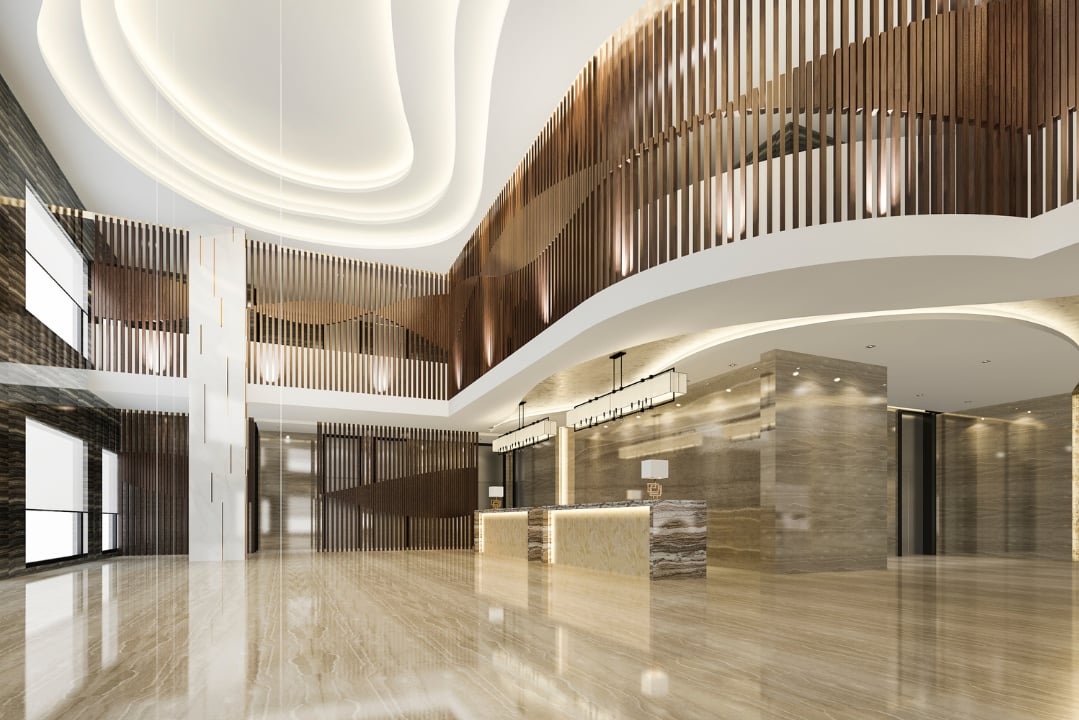
Exploring how Thornton Development Group builds homes that think ahead — designed for resilience, intelligence, and longevity.
Los Angeles Real Estate
Exploring why exceptional construction isn’t an expense — it’s protection.
Los Angeles Real Estate
Exploring how Thornton Development Group transforms engineering precision into an art form — where structure safeguards beauty.
Los Angeles Real Estate
Understanding how evolving codes are reshaping the standards of safety, sustainability, and sophistication in Los Angeles homes.
Etiam non quam lacus suspendisse faucibus interdum. Orci ac auctor augue mauris augue neque. Bibendum at varius vel pharetra. Viverra orci sagittis eu volutpat.